George Washington Could Have Seized Ultimate Power – But He Chose a Different Path
Foundations of Freedom

Audio By Carbonatix
By Adam Staten, Crosswalk.com
Most people have subjects and issues they are incredibly passionate about. I have ones that are near and dear to my heart. Likely, you do as well. Everyone has them, right? Now, for some people, the passion and zeal they have for this or that issue can get the better of them. For instance, if those topics of concern were to ever come up in conversation, some individuals become particularly animated, perhaps even argumentative and antagonistic toward someone who holds a different point of view on the matter.
Of course, we all know people who are like this, and if not, that’s likely because you’re that person. It’s good to care about things, but we should still be able to be respectful and civil, right? And it’s because of that over-the-top, emotional response and the potential to offend and create awkward, uncomfortable situations that it’s always a good idea to shy away from discussing politics or other sensitive topics during polite conversation.
Nevertheless, many people completely and totally disregard that advice, as evidenced by social media. Every popular social media platform is littered with individuals posting and sharing their thoughts and opinions about this controversial issue or that sensitive topic. And if anyone responds to that initial post with even a slightly different perspective or opinion, well, then, odds are that things will soon descend into an utterly pointless and meaningless fight full of name-calling, sarcasm and more often than not, a shockingly large number of typos and incorrect grammar usage.
However, for the most part, I think it’s safe to say that the individuals often sharing those opinions are not in positions to implement much, if any, real change when it comes to those topics that cause them to become so upset and go on social media tirades when someone shares a differing opinion. What they say or post on social media is unlikely to change how anyone approaches or thinks about those topics.
But what if that weren’t the case? What would happen if we were all suddenly in a real position of power, a situation in which we could implement real change? Would we adhere to those loudly stated and professed positions and ideals? Or would those philanthropic, charitable and benevolent stances take on a more self-centered flavor?
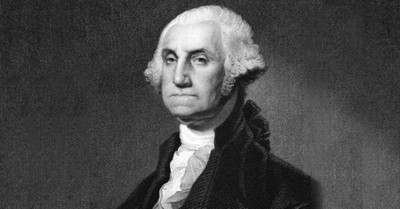
George Washington found himself in such a position. One of the country's founders and our nation’s first president, Washington, along with an entire gang, including many men with recognizable names and faces, helped break away from England to form an entirely new nation.
Washington and his fellow founders were sick and tired of the tyrannical and overbearing rule of the English monarchy. They didn’t want to live in a place where a king in some far-off land ruled with unlimited power, instituting whatever policies and procedures they felt so inclined to implement.
Instead, Washington and his fellow rabble-rousers sought to establish a nation in which men were free to choose their own lot in life. They wanted to be free to establish their own way of life and system of government, rather than be ruled by the whims, impulses and declarations of a monarch, a king.
In fact, Washington felt so strongly about this ideal that he helped lead the Continental Army, a ragtag group of soldiers, against the mighty British military in a prolonged and deadly conflict that ultimately secured our nation’s independence.
Washington, of course, following his victorious stint as the head of the Continental Army, was elected as our nation’s first president. However, years before taking office, Washington reportedly received a letter encouraging him to become like a king in this newly formed country.
We all know how that turned out, though. If Washington had made himself something akin to a king, most people would likely have simply gone along with it. Even though we were seeking to break away from the King of England at the time, we fought a war to do just that. But Washington resisted the urge to seek and obtain ultimate power and control. Instead, he displayed incredible strength and character, adhering to his previously stated principles and beliefs when it would have been very easy to do otherwise.
How many elected leaders would do the same today if presented with the option, the chance at becoming king and seizing ultimate power and control? I’m guessing, very few, if any, would let that opportunity pass them by.
Limiting his power and ultimately relinquishing the presidency after two terms is just one of the many reasons why George Washington continues to be so rightly and understandably beloved, admired and revered.
Photo Credit: ©Getty Images/GeorgiosArt


