









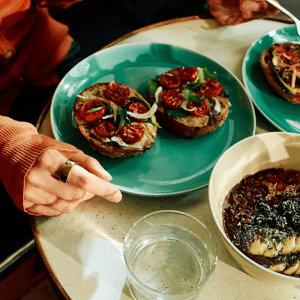








How to handle holiday stress and family pressure around food and body image
Lifestyle
Audio By Carbonatix
9:30 AM on Thursday, December 11
By Gabriela Leyva, LPC for LifeStance Health, Stacker
How to handle holiday stress and family pressure around food and body image
The holidays are often portrayed as joyful and relaxing, but for many people, they’re anything but. From packed schedules and family expectations to endless conversations about food, weight and appearance, this time of year may bring emotional strain instead of comfort.
LifeStance Health explains why the holidays can be stressful and explores ways to set emotional and conversational boundaries that may support emotional well-being for some individuals during the season.
Why holidays can feel stressful
Even though the holidays are meant to bring people together, they often magnify existing stressors. Some of the most common reasons include:
- Heightened expectations: Pressure to feel festive, give perfect gifts or host the ideal gathering can create anxiety and guilt.
- Unresolved family dynamics: Being around relatives can bring up old conflicts or emotional triggers.
- Financial and time stress: Travel, shopping and social obligations can overwhelm even the most organized person.
- Food and body image sensitivity: When gatherings center around meals, people who struggle with disordered eating or body image concerns may feel anxious or exposed.
The combination of emotional expectations and sensory overload may activate the body’s stress response, leaving many people feeling drained or tense.
Why holiday food traditions can be emotionally challenging
In many families, food is a form of love and connection. But for individuals sensitive to body image or eating issues, being surrounded by abundant food, commentary about diet or pressure to “try a little of everything” may become distressing.
Common triggers include:
- Unsolicited comments about weight or appearance
- Conversations about dieting or “earning” indulgence
- Social comparison or feeling watched while eating
- Guilt or shame about breaking routine eating patterns
- Family pressure to eat foods because they are traditional or homemade
Recognizing these experiences as valid is often the first step toward protecting your emotional well-being during the holidays.
How to handle holiday family gatherings without feeling overwhelmed
Anticipating uncomfortable or intrusive questions about your lifestyle, appearance or choices can create anxiety before events even begin. Preparing emotionally may help you feel centered and empowered. Consider these strategies:
- Acknowledge your emotions. It’s normal to feel uneasy before a family gathering. Recognize feelings of stress or vulnerability without judgment.
- Set boundaries. Identify topics you prefer to avoid, such as your body, relationships or career, and decide in advance how you’ll respond. Phrases like, “I’d rather not talk about that” may gently steer conversations elsewhere.
- Prepare redirects. Have a list of topics and questions that you could talk about instead, e.g., football, movies, music or books. Keep light, positive transitions ready: “That’s an interesting question. Have you seen the new movie yet?” or “What are you hoping to do next year?”
- Seek supportive company. Spend time with family or friends who respect your boundaries. If you need a moment to reset, step away or text someone supportive.
- Practice grounding. Deep breathing, mindful awareness or short walks outside may reduce stress. Try inhaling for three counts, exhaling for three counts and repeat until you feel more stable.
- Respect your limits. If you anticipate that an event might be overwhelming, it’s okay to arrive late, leave early or take breaks.
- Focus on connection. Let go of the idea of a “perfect holiday” and make sure your expectations are reasonable and achievable. Savor authentic moments of warmth and presence instead.
Setting healthy boundaries around food and conversation
You can’t control what others say, but you can choose how you respond. Here are a few examples of calm, assertive statements:
- “I’d prefer not to talk about food or weight right now.”
- “Let’s focus on catching up, not what’s on our plates.”
- “That’s not a topic I’m comfortable discussing.”
- “I’d love to change the subject. How has your year been?”
If your boundaries are crossed, restate them and redirect. It’s also okay to take a short break or step outside to decompress.
Final thoughts
Holidays can bring both joy and discomfort. By preparing emotionally, setting boundaries and prioritizing self-care, you may reduce stress and work towards reclaiming this season as something nourishing rather than depleting.
If holiday stress feels overwhelming, reaching out to a mental health professional may help you develop personalized strategies for navigating family interactions and maintaining balance.
This story was published by LifeStance Health and reviewed and distributed by Stacker.


